Barn Elms: From Manor to Playing Fields
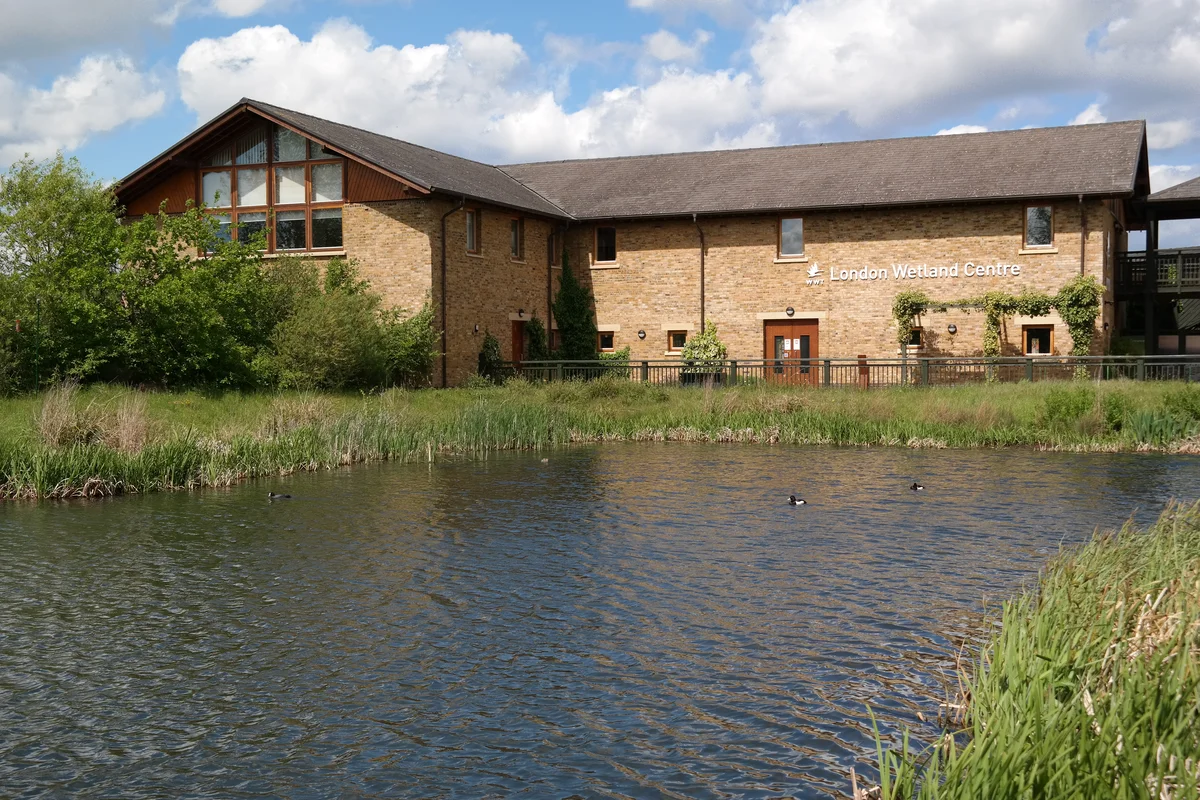
Barn Elms has been at the heart of Barnes for over a thousand years. From a medieval manor granted by a king, through an Elizabethan spymaster’s residence and a Georgian literary club, to Victorian polo grounds and modern community sports fields, the site reflects the changing character of Barnes itself.
The Medieval Manor
In 925, King Athelstan granted the manor of Barnes to the canons of St Paul’s Cathedral, and Barn Elms became the seat of their estate. The medieval manor house stood for centuries, passing through the hands of various lessees. In 1467, Sir John Saye, Chancellor of the Exchequer to Edward IV, held the lease. The Wyatt family occupied it for half a century from the 1480s.
Sir Francis Walsingham (1579–1590)
The most celebrated resident of Barn Elms was Sir Francis Walsingham, Queen Elizabeth I’s Principal Secretary and spymaster. In 1579, the Queen purchased the lease for Walsingham as a reward for his services to the Crown. From Barn Elms, Walsingham ran a formidable intelligence network, employing double agents, code-breaking, and agents provocateurs to protect England from foreign and domestic threats – work that culminated in the execution of Mary, Queen of Scots in 1587.
Elizabeth herself visited Barn Elms on at least three recorded occasions. After Walsingham’s death in 1590, his widow Ursula continued to live there until her own death in 1602.
The Kit-Cat Club (c. 1700–1720s)
In the early eighteenth century, the bookseller and publisher Jacob Tonson acquired a house at Barn Elms and around 1703 built a dedicated room for the Kit-Cat Club – a literary, political, and social club that served as a stronghold of the Whig party. It was the first club in England to furnish its own permanent clubroom, and it never convened without Tonson’s presence.
Members included authors, peers, members of Parliament, and military figures. Sir Godfrey Kneller painted approximately 48 kit-cat portraits (a distinctive less-than-half-length format showing one or both hands) of the members between 1702 and 1721, initially housed at Barn Elms – a remarkable visual record of early Georgian intellectual life.
A New Mansion (1694)
By 1694, the property had been leased to Thomas Cartwright, who demolished the old medieval manor house and replaced it with a late seventeenth-century mansion “more in keeping with the times.” This building would serve the estate for over 250 years.
The Ranelagh Club (1878–1930s)
In 1878, the Ranelagh Club was founded at Barn Elms as a breakaway from the Hurlingham Club. On 18 July 1878, the club played in the first sports match ever contested under floodlights. By 1894, it was the largest polo club in the world, and by 1913 it boasted around 3,000 members, including royalty and prominent military figures.
At its height, the club’s facilities included four polo grounds, ten croquet lawns, two tennis courts, an eighteen-hole golf course, and two lakes for rowing. From the mid-1890s, it also hosted an annual ladies’ golf meeting and the International Cup.
Patronage declined in the 1930s, and the club closed shortly before the Second World War. During the war, the polo grounds were converted to allotments under the “Dig for Victory” scheme. In 1954, the manor house was destroyed by fire. The lake was drained, and the grounds became school playing fields.
Barn Elms Playing Fields Today
Since 2012, the playing fields have been managed by the Barn Elms Sports Trust, a registered charity working on behalf of Richmond Council. The fields are registered with Fields in Trust, ensuring their protection as public open space.
Today, Barn Elms is home to junior athletics, cricket, rugby, and football, serving clubs including Barnes RFC, Barnes FC, Barnes Eagles FC, Stonewall FC, London French RFC, and London Exiles RFC. Little remains of the Ranelagh Club itself – just the ice house and the 300-metre driveway entrance off Lower Richmond Road.
The former Victorian reservoirs on the adjacent site were transformed into the WWT London Wetland Centre in 2000.
Image sources
- barn-elms.webp — WWT London Wetland Centre. Author: Jeff Reuben. License: CC BY-SA 4.0. Source
Sources
- Barnes and Mortlake History Society – Barn Elms
- Victoria County History, Surrey, Vol. 4
- Barn Elms – Wikipedia
- Ranelagh Club – Wikipedia
- Barn Elms Sports Trust