Birds of Barnes
Barnes is one of London’s premier birdwatching areas. The combination of four distinct habitats — the WWT London Wetland Centre, Barnes Common, Barnes Pond, and the Thames riverside — supports extraordinary diversity. Over 254 species have been recorded at the Wetland Centre alone.
The Wetland Centre
The WWT London Wetland Centre, designated a Site of Special Scientific Interest (SSSI) in February 2002, is the jewel of Barnes birdlife. Its 42 hectares of purpose-built wetland, created from four decommissioned Victorian reservoirs, host nationally significant numbers of wintering Northern Shoveler and Gadwall.
Star Species
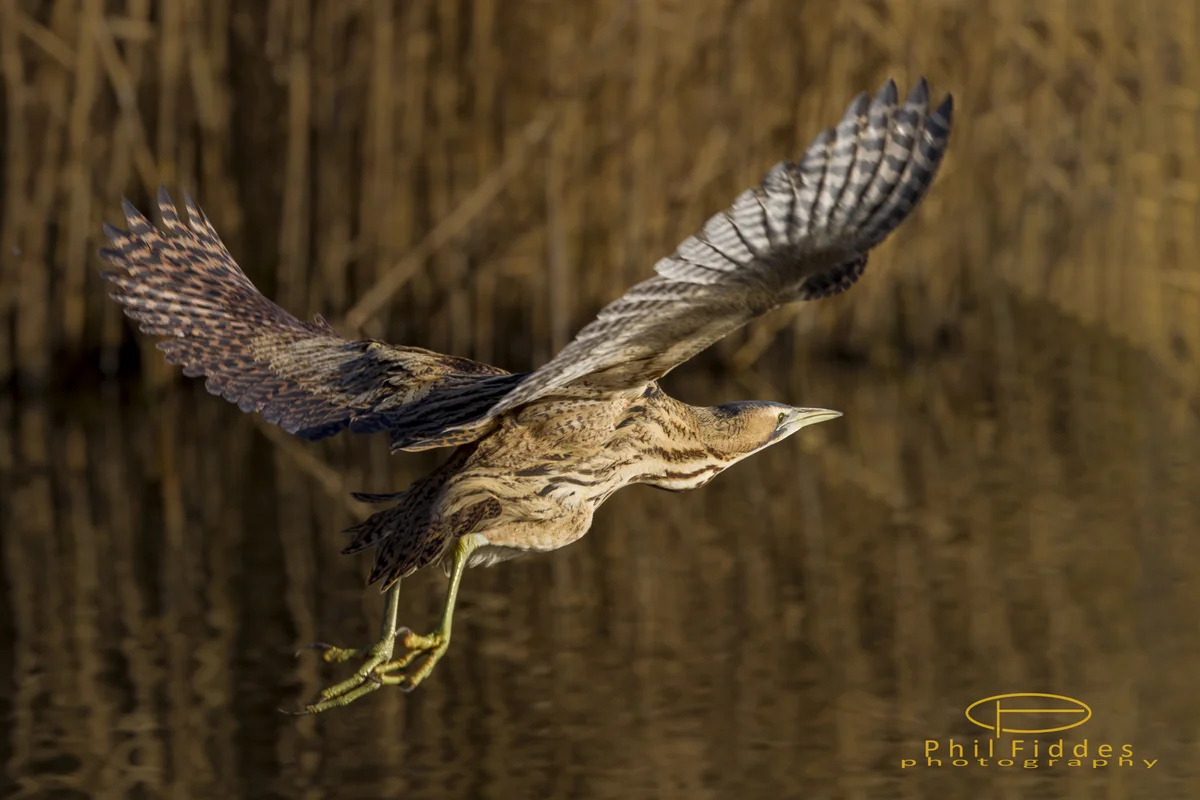
Eurasian Bittern — up to six individuals overwinter in the reedbeds each year, making this one of London’s best sites to observe this secretive species. Best viewing: November to March, from Peacock Tower.
Peregrine Falcon — breeds on nearby buildings and hunts over the reserve regularly. Part of London’s wider peregrine recovery.
Sand Martin — up to 90 pairs breed on a purpose-built artificial nesting bank.
Common Tern — up to ten pairs nest on specially built floating rafts.
Cetti’s Warbler — colonised as a resident breeder from around 2010, with at least seven singing males recorded by 2013.
Notable Rarities
For a site just six miles from central London, the Wetland Centre and its predecessor Barn Elms Reservoirs have produced remarkable rarities, including Desert Wheatear (April 1989, when the site was still Barn Elms Reservoirs — London’s first and only record), Pacific Golden Plover (May 2010), and Buff-breasted Sandpiper (1981, also at the former reservoirs).
Barnes Common
Barnes Common, a Local Nature Reserve with lowland acid grassland, secondary woodland, and gorse scrub, supports around 50–60 regular bird species. An average walk yields approximately 30 different species.
Highlights include Green Woodpecker, Great Spotted Woodpecker, Tawny Owl, Sparrowhawk, and five of the six UK thrush species — Blackbird, Song Thrush, Mistle Thrush, plus winter-visiting Fieldfare and Redwing.
The Thames Riverside
The stretch of the Thames through Barnes offers excellent riverside birdwatching, particularly at low tide. Cormorant, Grey Heron, and Kingfisher are regular, while the Leg o’ Mutton Nature Reserve — a disused Victorian reservoir designated a Local Nature Reserve in 1990 — adds species including breeding Pochard (nationally scarce) and wintering Teal.
Barnes Pond
The village pond at the heart of Barnes Green supports a resident breeding pair of Mute Swans, Mallard, Moorhen, Coot, Tufted Duck, and established populations of Greylag and Canada Geese.
Seasonal Calendar
Spring (March–May): Chiffchaff arrives first, followed by Blackcap, Whitethroat, Reed Warbler, Sand Martin, and Common Tern. Passage raptors include Osprey and Marsh Harrier.
Summer (June–August): Sand Martins raise up to three broods. Common Terns on rafts. Late summer passage begins with Green Sandpiper from July.
Autumn (September–November): Shoveler, Gadwall, and Teal numbers build. Fieldfare and Redwing arrive on Barnes Common in October.
Winter (December–February): The peak season — Bittern in the reedbeds, nationally significant waterfowl numbers, Jack Snipe, Water Rail, and mixed gull flocks including occasional Caspian and Yellow-legged Gulls.
Birdwatching Groups
The RSPB Richmond & Twickenham Local Group organises regular walks at the Wetland Centre. The London Natural History Society maintains it as a key recording site. Barnes Common Limited coordinates conservation across the Common and Leg o’ Mutton reserve.
Image sources
- birds-of-barnes.webp — Bittern at WWT London Wetland Centre. Author: Phil Fiddes. License: CC BY 2.0. Source
Sources
- WWT London Wetland Centre — Wildlife
- London Bird Club Wiki — London Wetland Centre
- Barnes Common — Birds species list
- London Bird Club Wiki — Lonsdale Road Reservoir LNR